PhoneArena presents a brief comparison of the Samsung Droid Charge and HTC ThunderBolt. Video after the break!
This video is a test of the flash capabilities of four high end Android Phones:
Both the Motorola Atrix 4G and Samsung Galaxy S 2 pack dual core processors: the Tegra 2 1GHz in the former, and the 1.2GHz Exynos in the latter. In this video the guys at pocketnow runs benchmarks, check available RAM after start up, compare specs, see which one opens apps faster, and check web-browsing performance.
Look what we have here.. The fastest smartphone in the world. Titanas overclocked the Samsung Galaxy S2 at 1.5GHz using a newly released ROM while increasing the CPU voltage. Results are stunning: Quadrant score 5198.
Note: the Samsung Galaxy S2 is FULLY functional at this speed, no crashes.
Heres a video showing us how to control the Samsung Galaxy S2 with a logitech bluetooth mouse. Pretty neat huh?
*This list of Custom ROM is only for Samsung Galaxy S II*
*Flash your device at your own risk*
(06/22/2011) [SS] Cognition S2 v1.07
(06/21/2010) [SS] TK-ROM v0.3 (KF2)
(06/21/2011) [SS] Lite'ning Rom v1.5 (KF2)
(06/21/2011) [SS] Official Stock i9100
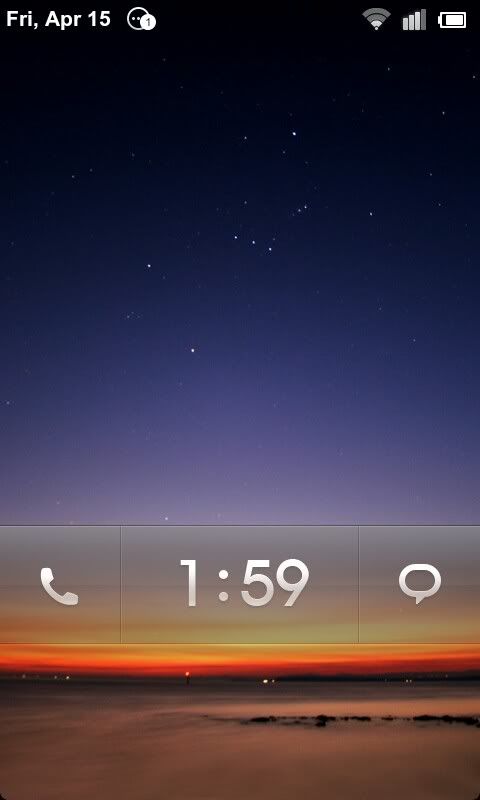
(06/21/2011) [SS] MIUI SGS2 1.6.17
(06/18/2011) [SS] VillainROM 1.4 (KF2)
All links are from xda-developers forum*
*This list of GB Custom ROM is only for Google Nexus S by Samsung*
*Flash your device at your own risk*
(06/15/2011) [SS] NSCollab 1.0.34
(06/15/2011) [SS] ZuluZulu 1.2.9
(06/15/2011) [SS] OpenSoju 0.2.6
(06/12/2011) [SS] SuperCM7 Nexus S v.1.3
(06/10/2011) [SS] SupeAosp 8.6-AW
(06/07/2011) [SS] ZuluGen 0.9.2
(06/04/2011) [SS] Stock 2.3.4
(05/30/2011) [SS] infin1ty 1.3.0
(05/29/2011) [SS] iceandfire v1.2
(05/26/2011) [SS] NexusSense 0.3
(05/25/2011) [SS] Amethyst Nexus 2.3
(05/22/2011) [SS] Liquid Nexusbread v1.9
(05/05/2011) [SS] CyanogenMod V7.0.3
(04/20/2011) [SS] Liquid Nexusbread v1.65
(04/12/2011) [SS] eazyMIUI 1.4.8
(04/08/2011) [SS] BOFTAIN NS V1
(03/23/2011) [SS] AXURA Nexus Edition 1.3.23.11
(03/08/2011) [SS] MoDaCo Custom ROM Gr14 (GRI54)
(03/05/2011) [SS] GingerS v0.8 (GRI54)
*Most source links are from xda-developers forum*
Permalink: http://goo.gl/i8K0h

After you get done filling your belling with turkey and stuffing today here are a few more Gingerbread crumbs to chew on. We have been expecting the next Android update ever since Google placed the giant Gingerbread man on their front lawn, but then we heard rumors of a delay and we have been patiently waiting ever since.
Some thought Google CEO Eric Schmidt might announce Android 2.3 when he appeared at the Web 2.0 Summit last week, but all he did was show off an “unannounced product” and said Gingerbread was coming in the next few weeks. Now Andy Rubin, the godfather of Android, is scheduled to speak at D: Dive Into Mobile on December 6th and everyone is speculating that might be the magic day for the Android 2.3 announcement.
We can’t say for sure what he will talk about or possibly announce, but as we get closer to the launch of Gingerbread more and more features are starting to leak out. Read on after the jump for 12 features that could be appearing in the next release of Android.

It doesn’t sound like the Android UI is getting a complete overhaul till Honeycomb, but Gingerbread will include some small tweaks. The notification bar at the top of the screen has gone from white to black, the launcher buttons are now green instead of translucent, and many of the native app icons have received a makeover.
Most of the existing native apps will also look slightly updated thanks to tweaks with the styling of menus, check boxes, and radio buttons as leaked in the last Google Maps update. Other small tweaks include new animations when you swipe across the desktop and when you power off the display (as reported by Phandroid).

We first reported back in October that Samsung’s Google experience phone would support MasterCard PayPass, and then last week Eric Schmidt confirmed that Gingerbread would support Near Field Communication (NFC).
NFC is a short-range, high frequency wireless communication technology that only operates when two devices are about 4 inches apart. It is basically just another form of electronic identification except the ID is tied to a bank or credit card company. All the user needs to do is just setup their account then tap their phone to a wireless payment pad and complete the transaction.
Eric Schmidt said that in the future your phone could replace your credit card, so you can see how important this is to Google and their partners.
Opponents of NFC say it might fail because it is too complex and big companies will fight over who owns the point of control for the transaction, but if Google is going to make this a standard feature on all future Gingerbread phones then we think that ensures it will at least move the mobile payment standard forward.
MasterCard has not been confirmed as a NFC partner, but I think there is a good chance they are on board in addition to some other payment companies like PayPal.

True 1:1 motion processing is coming to Gingerbread thanks to InvenSense, the company behind the MEMS gyroscope sensor found in the Nintendo Wii MotionPlus controller.
Gyroscope sensors have already appeared in some phones like the Samsung Galaxy S, but Android 2.3 will add new sensor fusion APIs including quaternion, rotation matrix, linear acceleration and gravity. These new tools will open the door to all kinds of motion controls for augmented reality apps, games, navigation systems, and camera improvements like image stabilization.
See our previous post for a video with several real-world demos.

In his last interview, Andy Rubin hinted that native video chat was coming to the next version of Android. “We support video chat today, with Google Talk Video. It works on the desktop. Whether that can be repurposed and made appropriate for sipping bandwidth for mobile, it’s an exercise that’s underway.”
If Mr. Rubin is willing to admit that it’s underway, that tells me the project could be nearing completion and already in the testing phases.
It looks like all the high-end phones coming in the next few months will include front-facing cameras so this is another sign that Android is ready for a native video sharing app to connect all these devices.

Google has been telling us for awhile that a new Android Market was coming and recently said new features could appear in the next few weeks. The Android Market can be updated separately from the operating system, but the timing tells us the new Market could be tied to the release of Gingerbread.
Confirmed features for the new Android Market include YouTube video previews, parental controls,PayPal payments, and new high-res promotion graphics that sound like they will be used on the desktop browser version of the Market.
At the Google I/O Developer Conference we attended back in May, Vic Gundotra demonstrated the browser version of the Market that was being tested. See the video below for an idea of what to expect.

As you can see from the video above, Google is also working on a music streaming service for Android. They launched a music search service earlier this year and hoped to get their music store opened before Christmas, but the latest reports say it might be delayed till 2011. Apparently the music labels are still negotiating with Google on how their “digital locker” will store purchased music, but maybe they come to an agreement this year.
This is coming sooner or later so if it doesn’t make it into Gingerbread then I expect we will see it early next year when Honeycomb tablets are revealed.

On the Android Device Dashboard there is a report where Google displays the different screen sizes and densities of devices that access the Android Market. The Large category is currently blank, but look for more big screen devices like tablets to be officially supported in Android 2.3. This means we could see more 7-inch tablets like the Galaxy Tab (1024 x 600) get certified and maybe a few other resolutions for the new smartphone displays that are rumored to be coming.
We have also heard that Google might relax the rules of their Compatibility Definition Documentand allow non-3G devices to be certified. No WiFi-only devices have been certified to use the Android Market yet, but Android 2.3 should hopefully change that.
In a somewhat related note, I believe this is the reason the WiFi-only Galaxy Tab was delayed till next year so that Samsung could make sure that Google allowed them to ship it with the Android Market.

Google recently acquired hot startup BlindType to improve their virtual keyboard and we are hearing the enhancements might be coming as soon as Gingerbread. The old company website is now down, but you can still see a demo of their technology on YouTube.
What is BlindType? It is a revolutionary system that:

We know that support for WebM and the VP8 video format are coming to Gingerbread because Google and the WebM team have told us this.
WebM is defined on the official project page as, “An open media file format designed for the web. WebM files consist of video streams compressed with the VP8 video codec and audio streams compressed with the Vorbis audio codec. The WebM file structure is based on the Matroska media container. Though video is also now core to the web experience, there is unfortunately no open and free video format that is on par with the leading commercial choices. To that end, we started the WebM project, a broadly-backed community effort to develop an open web media format.”
YouTube now offers WebM videos as part of its HTML5 player experiment. Logitech and Skype are also working with the format for future video calling services.

As we get near the end of the list some of these possible features might be a stretch, but there are still hints that new YouTube features are coming. Phandroid reported that Gingerbread will have a new YouTube app and we know that they are also testing their new live broadcasting platform.
If you look at how important video will be to the upcoming Gingerbread experience, then it is not too hard to imagine that YouTube will allow live broadcasting from your phone similar to Qik or Ustream.
The next generation of superphones will include dual-core processors that support 1080p video streaming and also have speedy 4G connections, so the hardware is definitely going to be there to make it happen.

Google recently denied the reports they were working on a Facebook competitor called Google Me, but all the signs are there that Google is working on a way to bring together all their social services. TechCrunch reported that Google’s master pitchman Vic Gundotra was being placed in charge of the project, so we expect big things from him.
Andy Rubin hinted that Gingerbread would include improvements for gaming in a previous interview. “I think gaming is an area that I think is underserved right now. If we were to carefully look at what new features and functionalities in the platform that we would need to support all forms of gaming across the entire spectrum, I think that would probably be an interesting thing to pay attention to.”
A number of recent acquisitions and partner agreements might also play a role in this social gaming platform. In the last year Google acquired LabPixies for $25 million (an Israeli startup that made web games), Jambool for $70 million (makers of a virtual currenty platform), Slide for $182 million (Facebook games developer), and invested $100-200 million in Zynga (makers of Farmville).
Apple’s Game Center and platforms like Open Feint have really raised the bar for social gaming, so Google will have to release something soon if they want to catch up.

Finally, what good is a brand new operating system unless you have a flagship product that can show off all the new features. That device is the Samsung Nexus S which is widely expected to be released alongside Android 2.3. Google’s CEO recently demoed the phone to show off its NFC capabilities, so hopefully we see the device soon.
The Nexus S was originally planned to launch at Best Buy on November 11th, but then TechCrunch reported a serious hardware issue had caused a delay. One of our tipsters said the original Samsung Nexus S was scrapped for a newer dual-core version, which shocked many people because they did not expect Samsung to have a dual-core phone this year, but another trusted source also confirmed that Samsung had such a device in testing.
In the next few weeks we should hopefully get an official list of new Android 2.3 features from Google, but don’t be surprised if Andy Rubin doesn’t announce anything on December 6th.
Google and Samsung already missed the rumored launch date, so they could delay this project till next year in order to iron out all the launch details. Some would say that Samsung has rushed their recent Android products to market without properly testing them (aka GPS issues), so I have no problem with them taking as long as they need.
I would love a taste of Gingerbread for Christmas, but if waiting till next year gets me a fully functional dual-core Nexus S then I’m all for waiting.
How do you think Android 2.3 is shaping up so far? Does this sound like a worthy update, or do you hope that Google is packing in even more exciting features? What other types of improvements would you like to see included with Android 2.3?
Cross posted from Android and Me by Taylor Wimberly
*This list of custom ROM is only for Samsung Fascinate (i500)*
*Flash your device at your own risk*
(04/15/2011) [SS] Backhole 4.4
(04/31/2011) [SS] NAMELESS v3
(03/28/2011) [SS] DarkREVENGE v4.0 Beta
(03/26/2011) [SS] Vanilla Froyo v0.9.3 (AOSP)
(03/19/2011) [SS] MIUI V5 ALPHA
(03/05/2011) [SS] Super Clean 2.8
(02/17/2011) [SS] Kaoscinate V5
*Most source links are from xda-developers forum*
Permalink: http://goo.gl/PcZzQ
*This list of custom ROM is only for Samsung Epic 4G (D700)*
*Flash your device at your own risk*
(06/12/2011) [SS] Android4Autism v1
(06/11/2011) [SS] Paranoid Android Genocide v12
(06/11/2011) [SS] AnonymousROM v7
(05/25/2011) [SS] Frankenstein v3 (EC05)
(05/22/2011) [SS] SyndicateROM Frozen 1.1.1 (EC05)
(05/20/2011) [SS] Gingered 0.07 BETA (EE03)
(05/18/2011) [SS] midNIGHT ROM v6.0 BETA (EE03)
(05/16/2011) [SS] Swiss Cheese Samsprint (EE03)
(05/11/2011) [SS] Simply AOSP 3.1.1
(05/06/2011) [SS] UrbanLegend UrbanFury 1.5
(05/02/2011) [SS] MIUI Epic 1.3.5
(04/08/2011) [SS] CyanogenMod V7 ALPHA4
(03/31/2011) [SS] Bonsai4All V4.0.0 (EC05)
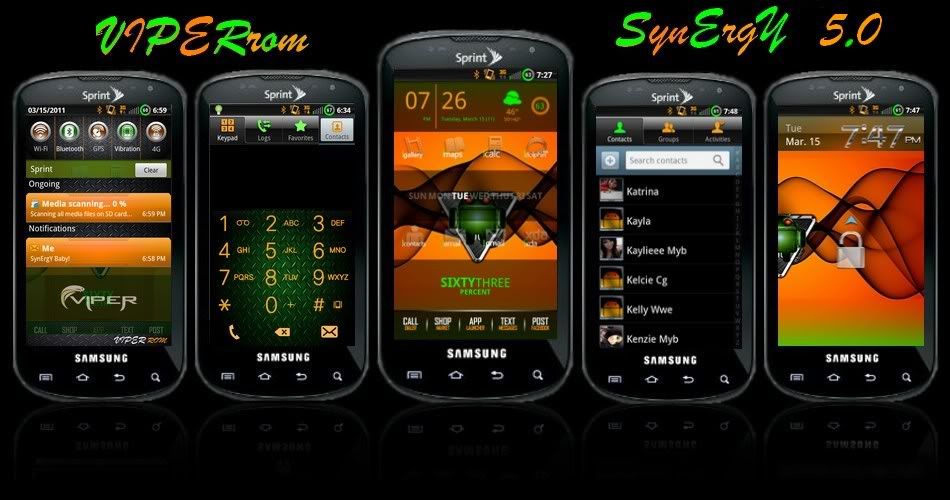
(03/19/2011) [SS] VIPERrom [SynErgY] 5.0 (EB13)
(03/05/2010) [SS] Epic Experience V 2.0.08 (EB13)
(02/12/2011) [SS] TrulyEpic Rebirth v1.5
*All source links are from xda-developers forum*
Permalink: http://goo.gl/6xlTj
*This list of custom ROM is only for Samsung Vibrant (T959)*
*Flash your device at your own risk*
(06/12/2011) [SS] I9K JVP Port (2.3.4)
(06/12/2011) [SS] Galaxy Extreme Final 2
(06/12/2011) [SS] SuperVibeCM7 v.1.3
(06/10/2011) [SS] MIUI Vibrant 1.6.10 Beta 7 (2.3.4)
(06/10/2011) [SS] ZenDroid v1.3.5 (KB5)
(06/10/2011) [SS] MIUI-360 ENERGY-4 (2.3.4)
(06/07/2011) [SS] Lidroid 2.6.0 (2.3.3)(JV5)
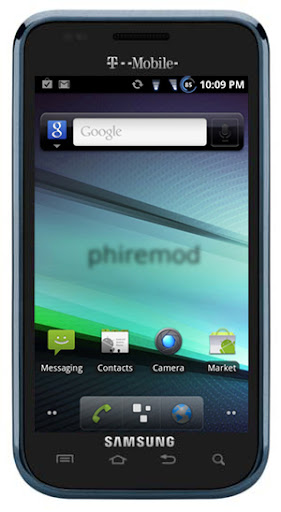
(06/07/2011) [SS] phiremod V3 (2.2.1)
(06/01/2011) [SS] Simply Honey 3.6 (2.3.3)
(05/31/2011) [SS] CyanogenMod V7 Nightly (2.3.4)
(05/08/2011) [SS] Vibrace V.1.3 Update 1
(05/06/2011) [SS] Toxic 7 (2.2.1)(JS8)
(05/17/2011) [SS] SGS II Clone V2 (KB5)
(05/03/2011) [SS] Trigger 3.2 Final
(05/02/2011) [SS] GCR3 Update7 (2.2.1)
(04/28/2011) [SS] The Beast Update1 (KB5)
(04/27/2011) [SS] AOSP Vanilla Version 3.0
(04/17/2011) [SS] Toxic Baby FF 2.9.2 (KB5)
(04/15/2011) [SS] Einherjar Dev Trigger v2.9.4
(03/30/2011) [SS] Simply Honey XE Pro Edition (2.2.1)
(03/27/2011) [SS] Einherjar Dev Loki v2.4 (KV5)
(03/21/2011) [SS] Juwe's Smart Edition v1.9 (JS8)
(03/08/2011) [SS] Devs4Android Axura 2.3.1.3 (KB1)
(03/02/2011) [SS] Darkys 9.3 Final
(03/01/2011) [SS] Team Whiskey Bionix-v 1.3.1 (KB1)
*Most source links are from xda-developers forum*
Permalink: http://goo.gl/WrdNS
*This list of custom ROM is only for Samsung Captivate*
*Flash your device at your own risk*
(06/23/2011) [SS] Continuum v6 RC1 (2.3.4)
(06/23/2011) [SS] Cognition 5 Beta 2 (2.3.3)
(06/23/2011) [SS] CyanogenMod V7 Nightly 37 (2.3.4)
(06/21/2011) [SS] O B S S E S S I O N JVP
(06/19/2011) [SS] FASTY V1.5 (2.2)
(06/18/2011) [SS] ApeX 7.1 (2.3.4)
(06/17/2011) [SS] MIUI Captivate 1.6.17 (2.3.4)
(06/16/2011) [SS] Symply GALAXY S II RC3.1 (2.3.4)
(06/13/2011) [SS] Fusion 1.9.8 (KB1)
(06/11/2011) [SS] Team Phoenix Mosaic IV (2.3.3)
(06/10/2011) [SS] Serendipity VII Build 2 (2.3.3)
(06/08/2011) [SS] Cognition 4.5.3 (2.2)
(06/08/2011) [SS] Continuum v5.6 (JVO)
(06/06/2011) [SS] Nostalgia 1.5 (2.2)
(05/23/2011) [SS] Darkyy's Cappy Edition v10.1 (JVH)
(05/17/2011) [SS] STRIP-OUT Gingerstyle (2.3.3)
(05/13/2011) [SS] SubPreSSioN 3.3 (JVB)
(05/07/2011) [SS] Perception II Beta 3 (JVB)
(05/04/2011) [SS] GR-12 (2.3.3)
(04/26/2011) [SS] PurPle_Licious
(04/21/2011) [SS] Torch 2.03 (KB1)
(04/21/2011) [SS] FireFly 3.0 (Roger)
(04/17/2011) [SS] SuperNova 4.2
(04/16/2011) [SS] Inception 1.2
(04/12/2011) [SS] DRAGON RC7 NKP5
(04/09/2011) [SS] Ultimate v8.2.1 (JS8)
(04/05/2011) [SS] Precision v4.0 ALPHA 1
(04/01/2011) [SS] PHOENIX UNLEASHED JS8
(03/15/2011) [SS] di11i's v7.1.1
*All source links are from xda-developers forum*
Permalink: http://goo.gl/q1qxx
In Q3 2010, the worldwide smart phone market grew an impressive 95% over the same quarter a year ago to 80.9 million shipped units. Nokia retained its leadership position, albeit by a diminished margin, with a 33% share of the market. Apple’s healthy performance this quarter saw it achieve a 17% share worldwide, a little ahead of RIM, which held a 15% share this quarter. In the world’s largest smart phone market, the US, Apple ousted RIM from the top spot, seizing a 26% share as iPhone shipments continued unabated. RIM has also launched its latest generation smart phone, the Torch, though it only saw half a quarter’s shipments in the US. But the plethora of smart phones running the Open Handset Alliance’s (OHA’s) Android platform meant that Canalys’ final published country-level data shows that it took the lead in the US market by operating system (OS), with a 44% share.
As well as the positive picture in the US, Canalys’ detailed country level smart phone research has consistently highlighted the importance of, and differences in, ‘emerging markets’. For example, in what are now being called the ‘BRIIC’ countries (Brazil, Russia, India, Indonesia and mainland China), smart phone shipments increased by 112% year-on-year, faster than the market overall, and each country individually saw strong growth. Nokia was the leading vendor in all five BRIIC markets in Q3 2010, benefiting from its global reach and channel relationships. In India, for example, Nokia held a 65% share of the smart phone market, and grew its shipments 208% year-on-year to 1.1 million units. The combination of affordable smart phones and its Ovi suite, which offers e-mail and messaging, navigation and music services, continues to prove popular in India, with products such as 523x series of smart phones performing well.
Despite ongoing discussions with the Indian authorities over the monitoring of encrypted communications, RIM has also continued to grow its business in the country and held an 18% share of the market in Q3 2010, with volumes up 412%. ‘For RIM, aggressively priced BlackBerry smart phones, such as the Curve 8520, have helped drive volumes across emerging markets, aided by its engagement in substantial marketing activities. It remains the number one smart phone vendor in Latin America, where it holds nearly 40% of the market,’ said Chris Jones, Canalys Principal Analyst. ‘Where smart phone growth in mature Western markets has been driven by high-end products, in many emerging markets where disposable income is more constrained, growth is being driven by good-quality products that can attract mass-market volumes in the mid-tier of the market. To succeed in these markets, vendors need to offer smart phones that provide consumers with the same ability to engage with the locally relevant mobile applications and connected services that consumers want to use, but at a more locally accessible price.’
Once again this quarter, it was devices running the Android platform that proved the greatest driver of growth in the worldwide market, up 1,309% year-on-year from 1.4 million in Q3 2009 to more than 20.0 million units in Q3 2010, forming a quarter of the market share. ‘With Samsung, HTC, Motorola and Sony Ericsson all delivering large numbers of Android devices, and with focused efforts from many other vendors, such as LG, Huawei and Acer, yielding promising volumes, the platform continues to gather momentum in markets around the world,’ said Canalys Senior Analyst Pete Cunningham. ‘Android has been well received by the market and in some geographies it is becoming a sought-after consumer brand. It has rapidly become the platform to watch, and its growing volumes will help to entice developers, ensuring consumers have access to an increasingly rich and vibrant mobile content and application ecosystem. Vendors are now delivering Android devices across a broad range of price points, from high-end products such as the Samsung Galaxy S or HTC Desire, to aggressively priced devices such as the LG GT540 Optimus or the Huawei built Vodafone 845, ensuring that Android devices are available and affordable to consumers on almost any budget.’
Driven by Nokia, the Symbian Foundation retained its position as the leading smart phone OS vendor worldwide. Of the 56 named countries that Canalys tracks, it is still the number one OS vendor in 37 of them because of Nokia’s dominance, plus in Japan, where its position is supported by Fujitsu and Sharp. The Symbian Foundation has been in a recent state of flux, with a streamlining of the workforce and the departure of its Executive Director, Lee Williams, along with the withdrawal of support from Samsung and Sony Ericsson. But it still has continued backing from the Japanese vendors and dedication from Nokia to its ongoing development. The launch of Nokia’s new range of Symbian devices, particularly the N8, will give a boost to its holiday season shipments, and the outlook into 2011 remains positive as Nokia aims to push Symbian devices further into the mid-tier of the market to attract mass-market volumes. ‘There has been a lot of speculation about whether Nokia will adopt another platform, but that looks highly unlikely. Its current strategy is clear and makes sense,’ added Pete Cunningham. ‘But Nokia still lacks a truly high-end product to compete against the iPhone and leading Android devices. The market is moving quickly and Nokia urgently needs to deliver an exciting and genuinely differentiated, high-end flagship MeeGo device early next year to regain its reputation as an innovative technology leader, and to retain its leadership position in the market.’
Devices running Microsoft’s OS accounted for just 3% of worldwide smart phone shipments in Q3 2010, though with the launch of Windows Phone 7 devices, the outlook for the fourth quarter and beyond is significantly improved. ‘Windows Phone 7 is streets ahead of earlier iterations and provides a vastly improved user experience that will pleasantly surprise many people when they come to use it. The integration of Microsoft service assets, such as Xbox Live, Bing, Zune and Office, greatly strengthens the proposition and we are confident that the initial array of products will perform well,’ said Chris Jones. ‘But the big challenge will be for handset vendors to differentiate their devices sufficiently given the restrictions Microsoft has placed on customizing the user interface, and its relatively demanding minimum hardware requirements, which will confine devices to the higher end of the market. The market is also awaiting the platform’s availability in non-roman languages to support its expansion into important emerging markets. Failure to deliver this soon will restrict the volume opportunity.’
Canalys analysts in Asia Pacific, the Americas and EMEA are available for press interviews on topics related to mobile devices and the growing ecosystem for mobile applications and services. To arrange an interview, please send a request to press@canalys.com. Analyst biographies, with photos, are available here.
The shipment estimates discussed in this release come from the market-leading Canalys Smart Phone Analysis services. Canalys offers services looking at the markets by country in Asia Pacific, North and Latin America, and EMEA, as well as providing worldwide market overviews and analysis of consumer and enterprise end-user attitudes and preferences toward mobile applications, devices and services.
Canalys specializes in delivering high-quality market data, analysis and advice to the world’s leading technology vendors. It is recognized as a key provider of continuous advisory services and confidential custom projects for marketing managers and strategists within blue-chip IT, telecoms, navigation and consumer electronics companies. It has unrivalled expertise in routes to market for all kinds of high-technology products and services and provides worldwide market data and trends analysis. Canalys does not release preliminary, incomplete data and uses consistent definitions and methodologies to ensure total consistency across all of the market data that appears in its services. The company publishes its final market data every quarter for every country tracked simultaneously on the same day.
Cross posted from Canalys
| Nexus One (Passion) | STABLE 7.0.3 | RC4 7.0 |
| Nexus S (Crespo) | STABLE 7.0.3 | RC4 7.0 |
| HTC Aria (Liberty) | STABLE 7.0.3 | RC4 7.0 |
| HTC Click (Tattoo) | STABLE 7.0.3 | RC4 7.0 |
| HTC Dream (G1)/Magic (MT3G) (U) | STABLE 6.1.0 | XDA 7.0 |
| HTC Desire (Bravo) CDMA | STABLE 7.0.3 | RC4 7.0 |
| HTC Desire (Bravo) GSM | STABLE 7.0.3 | RC4 7.0 |
| HTC Desire HD/Inspire | STABLE 7.0.3 | RC4 7.0 |
| HTC Desire Z / G2 (Vision) | STABLE 7.0.3 | RC4 7.0 |
| HTC EVO (Supersonic) | STABLE 7.0.3 | RC4 7.0 |
| HTC EVO Shift (Speedy) | STABLE 7.0.3 | RC4 7.0 |
| HTC Hero CDMA (Sprint) | STABLE 7.0.3 | RC4 7.0 |
| HTC Hero GSM | STABLE 6.1.0 | BETA 7.0 |
| HTC Incredible | STABLE 7.0.3 | RC4 7.0 |
| HTC Legend | STABLE 7.0.3 | RC4 7.0 |
| HTC myTouch 4G (Glacier) | STABLE 7.0.3 | RC4 7.0 |
| HTC Slide (MT3G Slide) | STABLE 7.0.3 | RC4 7.0 |
| HTC Wildfire (Buzz) | STABLE 7.0.3 | RC4 7.0 |
| LG Optimus 2X/G2X | STABLE 7.0.0 | Nightlies |
| Motorola Cliq XT | STABLE 7.0.0 | RC1 7.0 |
| Motorola Droid (Scholes) | STABLE 7.0.3 | RC4 7.0 |
| Motorola Milestone (U) | STABLE 7.0.1 | RC4 7.1 |
| Samsung Galaxy S I9000 | STABLE 7.0.0 | Nightlies |
| Samsung Galaxy S Captivate | STABLE 7.0.0 | Nightlies |
| Samsung Galaxy S Vibrant | STABLE 7.0.0 | Nightlies |
| Geeksphone ZERO | STABLE 7.0.3 | RC4 7.0 |
| Geeksphone ONE | STABLE 7.0.3 | RC4 7.0 |
| ZTE Blade Variants | STABLE 7.0.3 | RC4 7.0 |
| Advent Vega | STABLE 7.0.0 | Nightlies |
| B&N Nook Color | STABLE 7.0.3 | RC4 7.0 |
| Viewsonic G-Tablet | STABLE 7.0.3 | BETA 7.0 |
| Commtiva z71 Variants | STABLE 7.0.3 | RC4 7.0 |
(U) – Unofficial support
Disclaimer: I do not own or involved in any way in the development of these awesome ROM series. I only providing links to these CyanogenMod ROMs straight from their forum. Do read carefully before you proceed in doing anything. I do not held responsible “for bricked devices, dead SD cards, thermonuclear war, or you getting fired because the alarm app failed.” Till next time, peace out and enjoy the awesome taste of vanilla Froyo courtesy of the CyanogenMod developers and its community.
Permalink: http://goo.gl/lHeyT
WARNING: This post contains rumors and speculation from Android Insiders. If you do not want to know the likely specs of the Samsung “Nexus Two” then do not read this story and unplug from the Internets till November 8th (or is it the 11th). You have been warned – the goods are after the jump.
The Samsung “Nexus Two” phone will feature:
I believe these specs are final, but sometimes things change between test units and those that ship to retail stores.
As we first reported it will be coming to multiple carriers, and we now have enough evidence to suggest T-Mobile is on-board. The “Nexus Two” will be sold unlocked, direct to consumers just like the first Nexus phone, but Google will test out the retail waters instead of limiting sales to just online.
After the last week of writing about this Samsung phone, I now have five separate sources who have confirmed this phone is real (including one who is testing it). If you still don’t believe me,Gizmodo’s Matt Buchanan also confirmed the phone as did PCMag’s Sascha Segan.
Yesterday reminded me why I love blogging. I never thought a single topic could generate so much discussion or become a top trending topic on Twitter and I sincerely appreciate all the feedback.
I thoroughly enjoyed everyone trying to debunk the rumor, but this isn’t about who’s right or who’s wrong. This is about sharing the things I have dug up so that others can go out there and find even more information (example: Giz and PCMag).
Some people will continue to argue over the name or exact reveal date, but we all know this phone is real now. I’ve said several times that the product name is not “Nexus Two”, but I will keep using it when referring to this Google-experience phone until the actual name is announced by Samsung.
Others are also really stuck on the date and trying to use that to discredit the story, but does that really matter? My original source told me it was coming on November 8th (which I still believe), but someone else told me it would launch on November 11th. Either way, you will be able to get your hands on this phone soon.
It comes as no surprise that T-Mobile is on board for the 2nd Nexus phone. They were the first carrier to support the Nexus One and I’m glad to see them back for round two.
As for the specs, this is looking more and more like a turbo-charged Galaxy S. I believe there are still some surprises to be revealed, but as I said earlier it might not blow your socks off.
Isn’t it funny that people are already complaining about a 1.2 GHz processor when it will be the fastest available at launch? Maybe that’s my fault with all my excitement about Tegra 2 phones.
For everyone crying about plastic phones…really? Yes, the outer casing of Samsung’s Nexus phone will contain some plastic materials, but there will also be metal used too (like the back plate).
At the end of the day, I think an unlocked phone running the latest stock version of Android trumps another locked-down BlurSenseWhiz phone with newer hardware. That is the reason why the Android phones I have purchased with my own money include the G1, Nexus One, and G2.
Overall, I think you will be fairly impressed with the phone when it is officially announced. If you are not impressed with the hardware, just wait till you see everything Google packed into the software.
With as many test phones as there are out there, I expect we will have some pictures this weekend.
Cross posted from Android and Me

"When I first saw it from 10 feet away, I thought it was the Galaxy S," says our source, who got to handle one. "I was a little surprised it was the Nexus Two," because it's so different from the Nexus One.
It's black and shiny, built with glossy plastic. Up close, though, it's "got this curve to it." While the screen, which our source thinks is the same 4-inch AMOLED affair from the Galaxy series, is flat, the front is "sort of concave" with hard edges. And the back is curved. The tapering makes it feel thinner than Galaxy S, though it might be about the same thickness. "It feels really similar to the Galaxy S in a lot ways." (Note: Our mockup is very approximate.)
Externally, the main difference from all of the current Galaxy S variants in the US is that it's got a front-facing camera, and it's running a stock build of Android that was still "really buggy."
Update: Forgot about the Epic 4G, which has a front camera. Our source wasn't sure if the internals were any different. Google's supposedly trying to building video chat into Gingerbread, using the same protocol as Google Talk. So it makes sense that the flagship phone for the next year—the one that most Googlers will probably be developing on—comes with a front-facing camera, even if video chat doesn't quite make it into Gingerbread.
At first blush, it's a little disappointing that Google possibly isn't pushing things forward in the same way they did with the Nexus One, since it seems like the Nexus Two is a refreshed Galaxy phone. On the other hand, it says a lot that the Android ecosystem is so stocked with high-powered phones, from the Evo to the Droid X, that even Google won't radically jump ahead of its partners with a new flagship. Hopefully their plan for selling it is a little better.
Cross posted from Gizmodo
These last few days the Android blogosphere has been awash with excited spluttering, dubious rumours and hopeful conflation. Kicking things off was City A.M., a London-based free daily newspaper that specialises in financial news. According to an article on their website, Google had struck a deal with the popular phone retailer Carphone Warehouse. CPW were to sell Google’s next phone, the Nexus Two by any other name. Their position as a reseller of phones and contracts on most if not all networks in the UK and wider Europe makes them a logical choice, right? Nexus One sales online didn’t exactly break records, so it makes sense to try the next carrier-agnostic option.
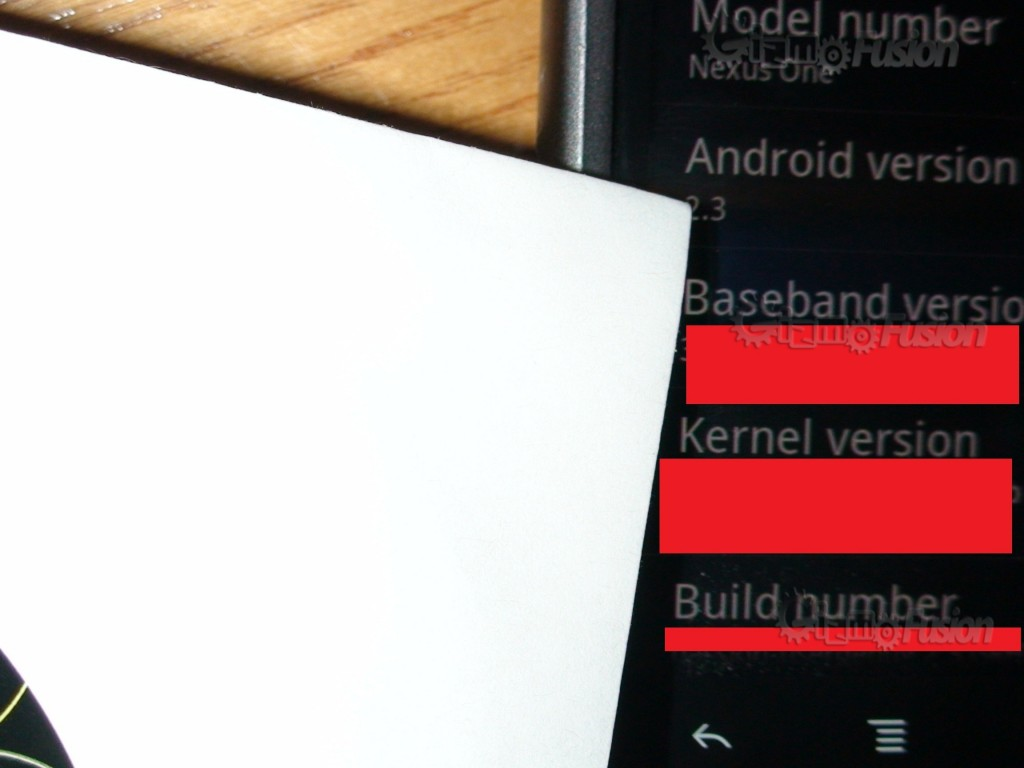
Next up, we have GizmoFusion. Their source provided them with some photos of what they report as a Nexus One showing a status screen displaying Android 2.3 as the running OS. Interestingly, what is visible of the operating system does seem to confirm previous rumours floated by Phandroid: a dark notification bar in particular. While this is easily faked, it’s always nice to see one rumour sticking up for another.

This isn’t the only device connected to the next Android release. Way back in September, a furtive (and since deleted) tweet made waves in the Android community with the suggestion that the next Google phone would be made by Samsung. While the source of the tweet seemed like the reliable sort, no other evidence came to light to verify that it the message was indeed true. Until yesterday, that is. Mr Taylor "Fingers in many pies" Wimberly of Android And Me came forth with his own information regarding Samsung’s upcoming November 8th event. While it is widely expected that we will see the Samsung Continuum revealed here, Wimberly has his own take:
Google and Samsung will announce the “Nexus Two” at a press conference on November 8th in New York city. The phone will be the first device to ship with stock Gingerbread (Android 2.3) and it will be available soon on multiple carriers.
…
Imagine what would happen if Samsung focused on only the hardware and let Google takeover the software duties. That is exactly what you will get with the Nexus Two.
So does that mean the Continuum will ship with stock Gingerbread? It sure didn’t look like it in the photos we saw last month, and there’s also that Verizon branding. If Taylor’s assertion is true, and he mentions multiple sources, then we may see two if not more new Android devices from Samsung in a week’s time.
Interestingly, Scotty Brown of Radio Android also chimed in with his own exclusive rumour. According to Brown:
Last night on The Android Show we had a random anonymous tipster touch base with us when we were talking about the November 8th Samsung event being held in New York.
…
The anonymous tipster dropped this on us:
This certainly seems to corroborate the story on Android And Me, and makes the pile of evidence pointing towards a Samsung-Google device now very difficult to dismiss. As with Taylor Wimberly, Scotty Brown’s source is said to be very reliable, so it sounds like this is all going to come true rather shortly.
There is no question that the Galaxy S family is more powerful hardware than the Nexus One. However, even with that awesome SGX540 GPU and Hummingbird processor, it seems a bit feeble to be a true successor to what was a revolutionary hardware spec at the time. This might explain the "Nexus S" naming, as it is more a stop-gap device for the 2.3 release as we wait for the real overhaul with 3.0.
So what do you think? Is the notion of a Samsung powerhouse running stock Android enough to woo you? With Samsung’s NYC event only 11 days away, you might not have long to wait.
Source: Android Police, City A.M., GizmoFusion, AndroidAndMe, Radio Android